.png)
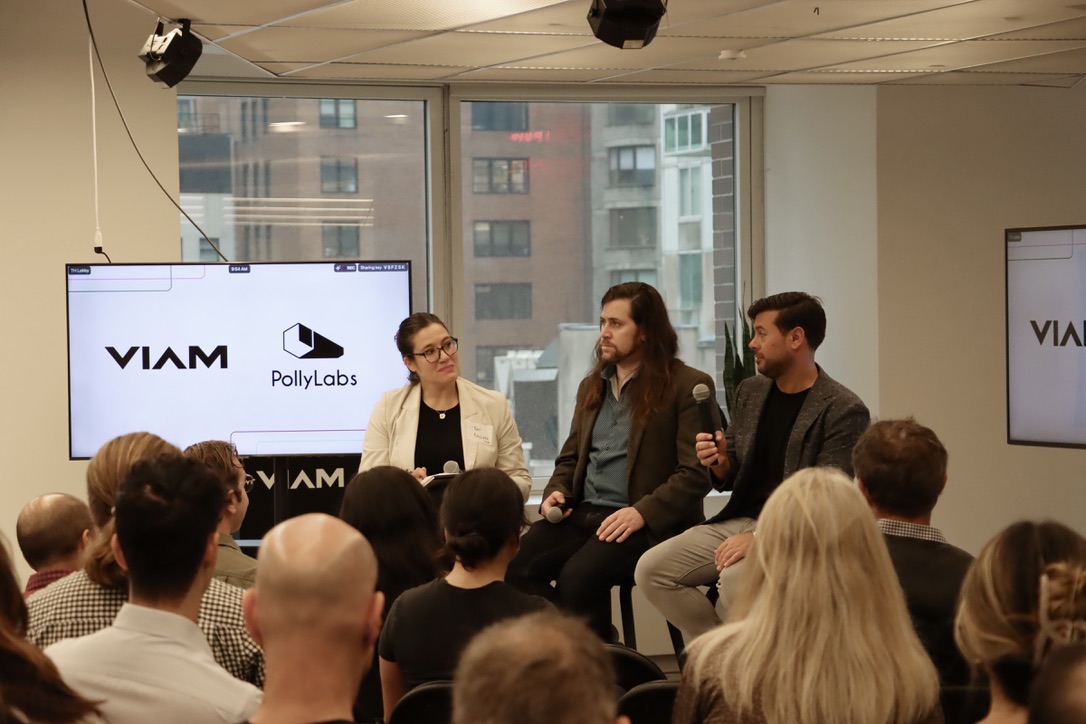


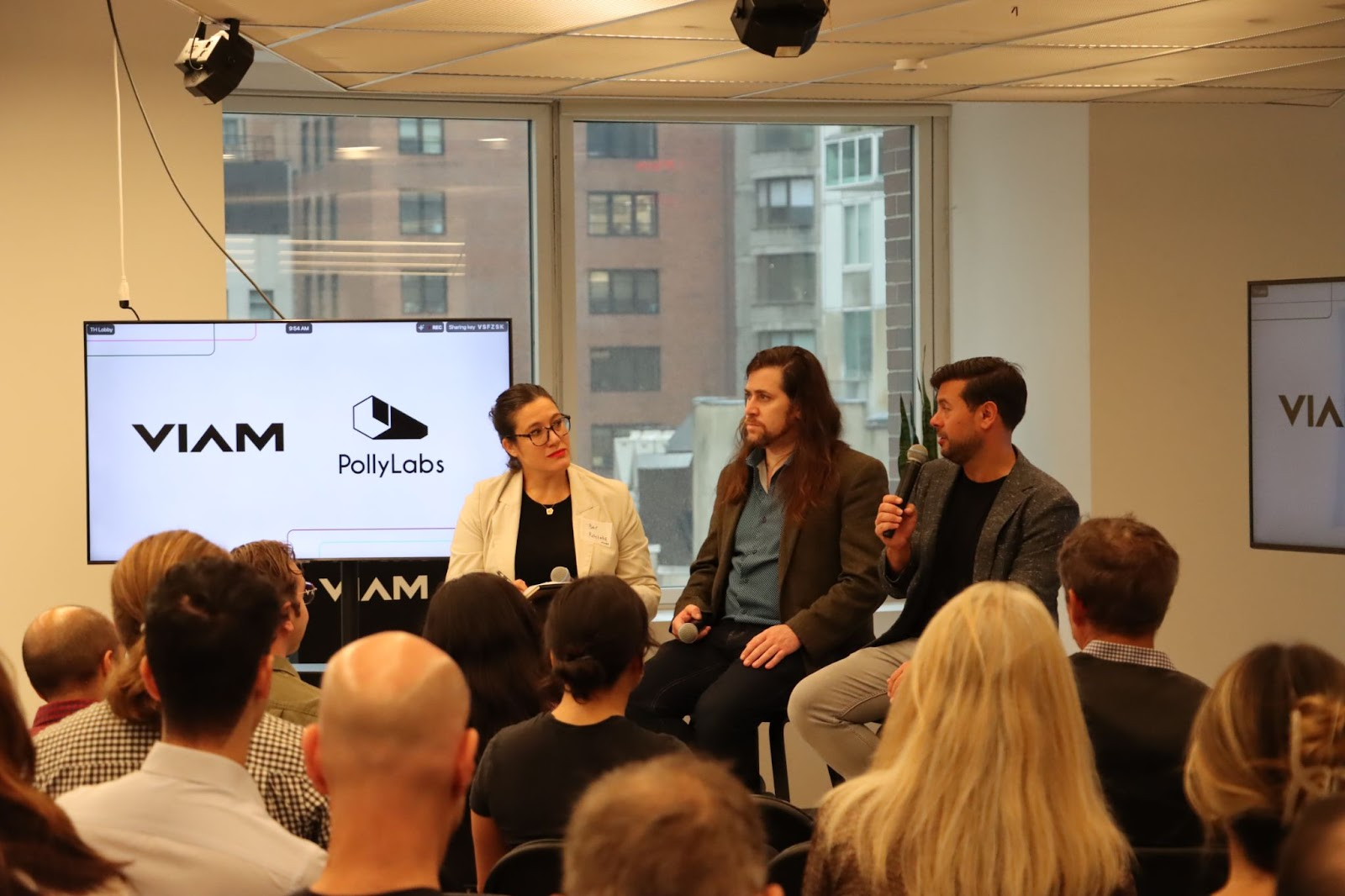
This Climate Week we hosted a panel at Viam's HQ in NYC, exploring how robotics and AI can address urgent climate and societal challenges. Our Founder and CEO Eliot Horowitz joined Bar Pereg (Founder and CEO of PollyLabs) and Ben Soltoff (Entrepreneur in Residence at MIT's Martin Trust Center) for a wide-ranging discussion on robotics for public good.
The conversation centered around a fundamental question: what if the same platforms advancing robotics in industry could also accelerate progress on broader societal challenges? The panel explored 3 key areas of opportunity: people, the planet, and climate resilience. Here are the main insights that emerged.
People: Rethinking automation's role in the workforce
Physical solutions in climate tech and robotics create different categories of jobs than software-only ventures. Unlike purely digital businesses, these sectors create substantial opportunities in manufacturing, installation, and ongoing maintenance that require skilled human workers.
The conversation also explored how relocating manufacturing closer to consumers could transform both employment and environmental outcomes. As Eliot remarked “I want everything we consume to be built within about 200 miles of where you live. Right now cotton is made in the US and shipped to six different countries just to come back as a shirt. That's slightly inefficient, to say the least.”
This shift could bring millions of manufacturing jobs back to the US while significantly reducing transportation emissions and the environmental toll of long-distance logistics.
The panelists agreed that successful automation transitions require thoughtful planning around funding and ensuring benefits reach communities that need them most. Many climate tech projects already demonstrate this potential, creating good jobs in rural areas that welcome economic development.
The planet: Enabling solutions at scale
Robotics applications for environmental challenges span across both direct intervention and addressing root causes. Some tasks, like removing plastic from oceans, simply cannot be done safely and at scale by humans. Robots are uniquely suited to handle dangerous conditions and repetitive work that would be impossible for human teams to tackle effectively.
Beyond direct cleanup, Eliot highlighted how Viam's platform enables ecosystem restoration projects that rebuild natural climate defenses. Viam supports the Billion Oyster Project in New York Harbor, where Viam’s platform is used to monitor oyster planting areas and accelerate reef restoration. These restored reefs serve as natural infrastructure that prevents flooding while rebuilding marine ecosystems.
Similar applications include automated reforestation, where purpose-built robots could plant trees at massive scale with minimal unintended consequences. As Bar emphasized we're now in a really interesting moment where robotics is going to accelerate, either to serve the most commercially lucrative opportunities, only the massive farms and only the most wealthy nations or we will be able to help use robotics to also address issues around labor shortages and climate solutions.